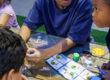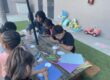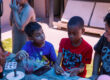
On 12/08/25, XFYD Westminster hosted a hands-on STEM activity at Thomas House Family Shelter, where students learned about plant growth and ecosystems by creating their own mini terrariums. Using simple household and natural materials, students explored how living systems can grow and thrive in a sealed environment.
Hands-On Learning
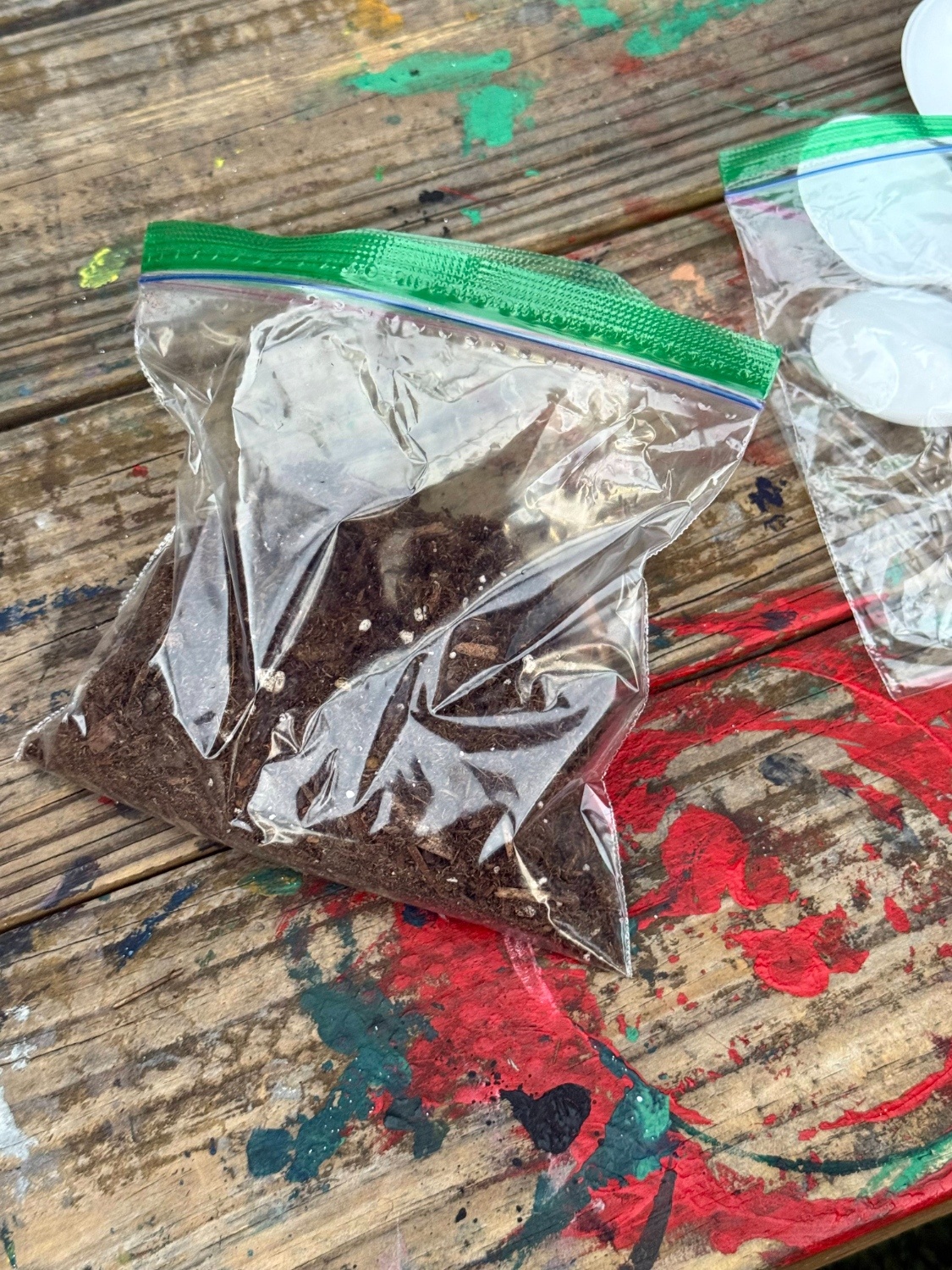
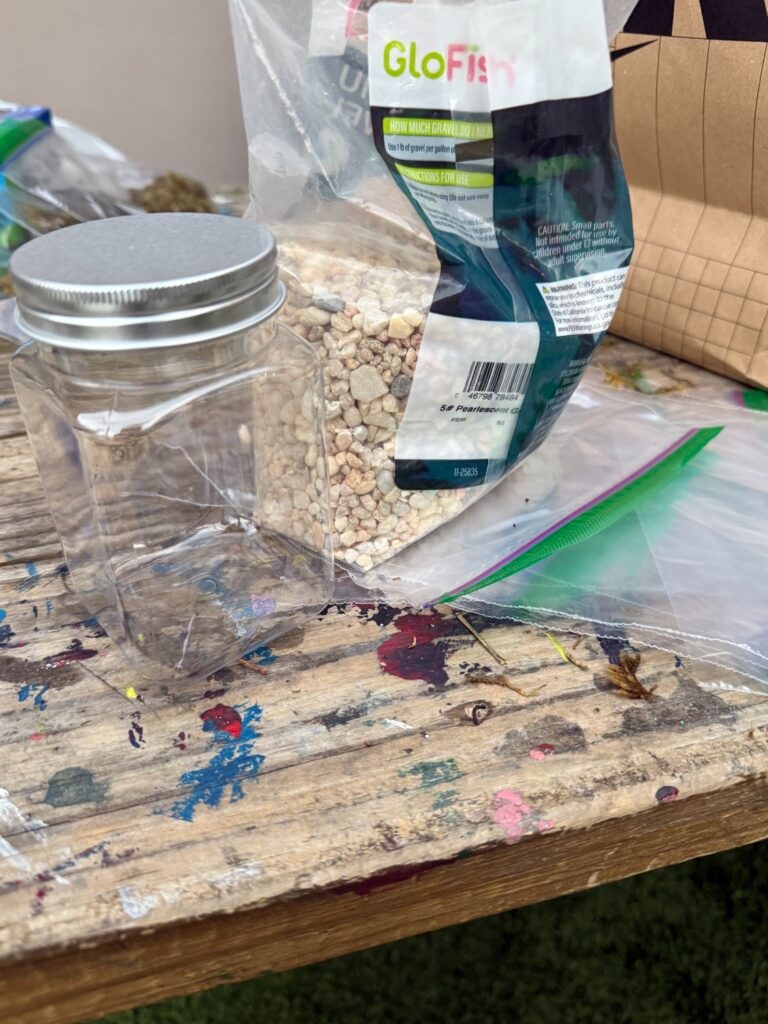
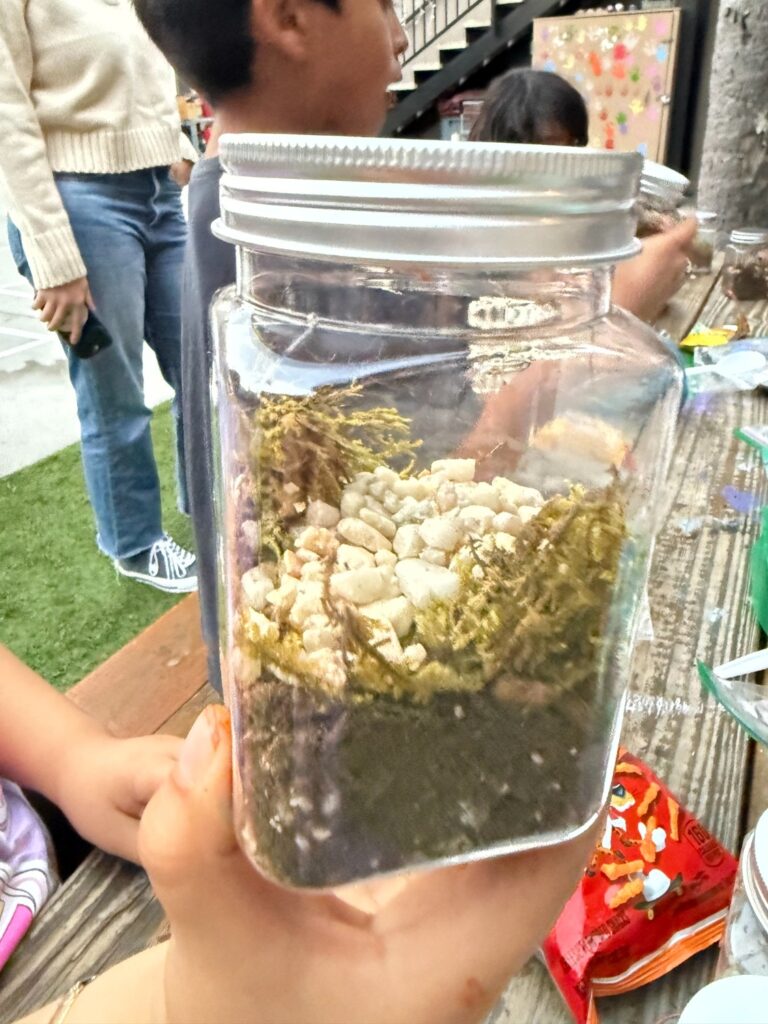
To ensure each student had the correct materials, volunteers pre-portioned supplies into small bags, including potting soil, rocks, chia seeds, and moss. Students followed a step-by-step process: layering rocks at the bottom of their container for drainage, adding soil, sprinkling chia seeds and moss, lightly misting with water, and sealing the container to begin the growing process. Volunteers guided students throughout the activity, explaining the purpose of each layer and how the terrarium would sustain itself over time.
STEM Concepts in Action
Volunteers explained how a terrarium functions as a small, self-sustaining ecosystem. Students learned that plants inside the sealed container reuse water through a mini water cycle—water evaporates, condenses on the walls, and falls back into the soil. This process helps the plants survive with very little maintenance.
The activity also introduced students to basic concepts of plant growth, including how seeds sprout, the role of soil nutrients, and why light is essential for photosynthesis. By observing how each layer of the terrarium serves a purpose, students gained a better understanding of how ecosystems work together to support life.
A Thoughtful Wrap-Up
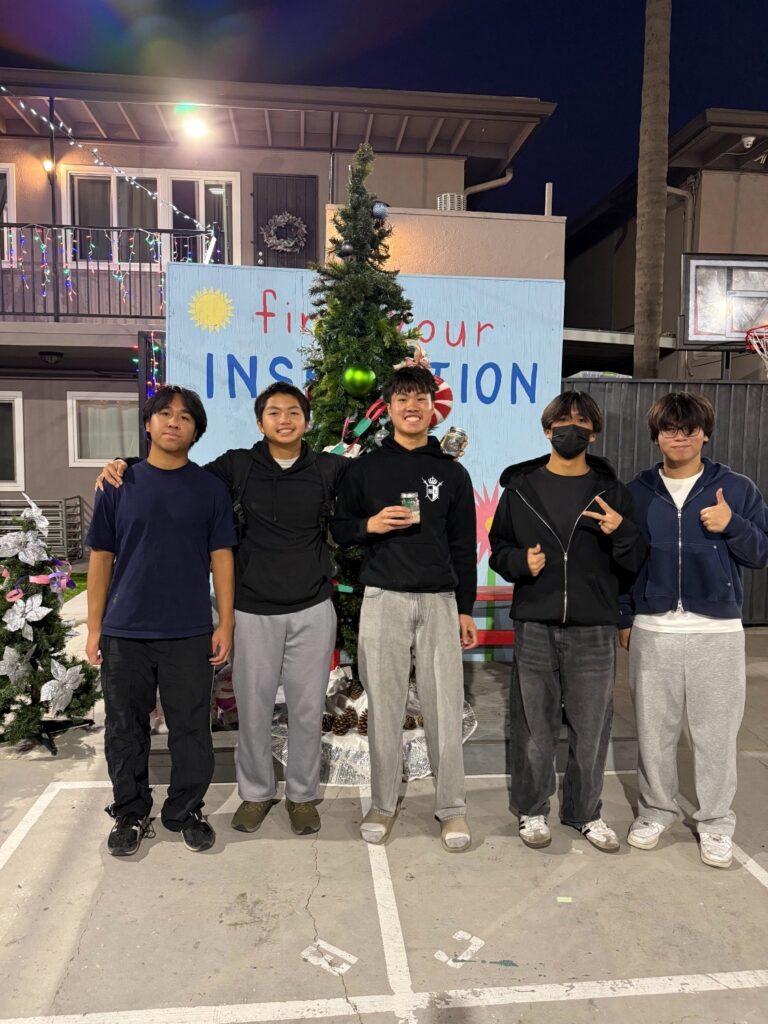
After all students finished building their terrariums, volunteers used the remaining materials to assemble additional terrarium kits, carefully measuring and packaging them for children who were unable to attend the event. These kits were left with the shelter so more students could still participate and grow their own terrariums.
Once the kits were completed, volunteers cleaned up the workspace and wrapped up the event. Each student was able to keep the terrarium they created, taking home a living reminder of the STEM concepts they learned and the care required to help plants grow over time.